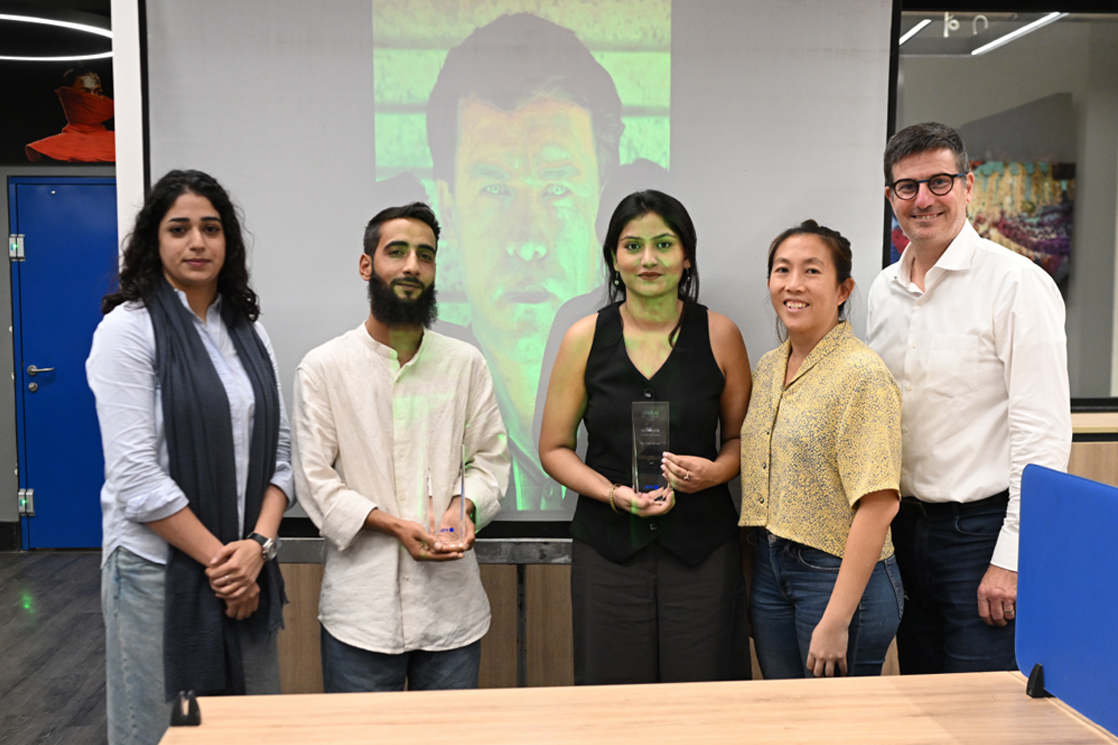
The Marai Photo Grant 2026 Winners
We are excited to announce the winners of the Marai Photo Grant 2026, selected from a talented pool of South Asian applicants.
After careful review by our panel of five expert judges, these photographers were chosen for the strength of their portfolios and their proposed project ideas exploring how water scarcity impacts daily life and communities.
Two winners — from female and male categories — stood out for their compelling ideas and the storytelling evident in their past work.
Get to know the winners and discover the ideas driving their impactful projects!
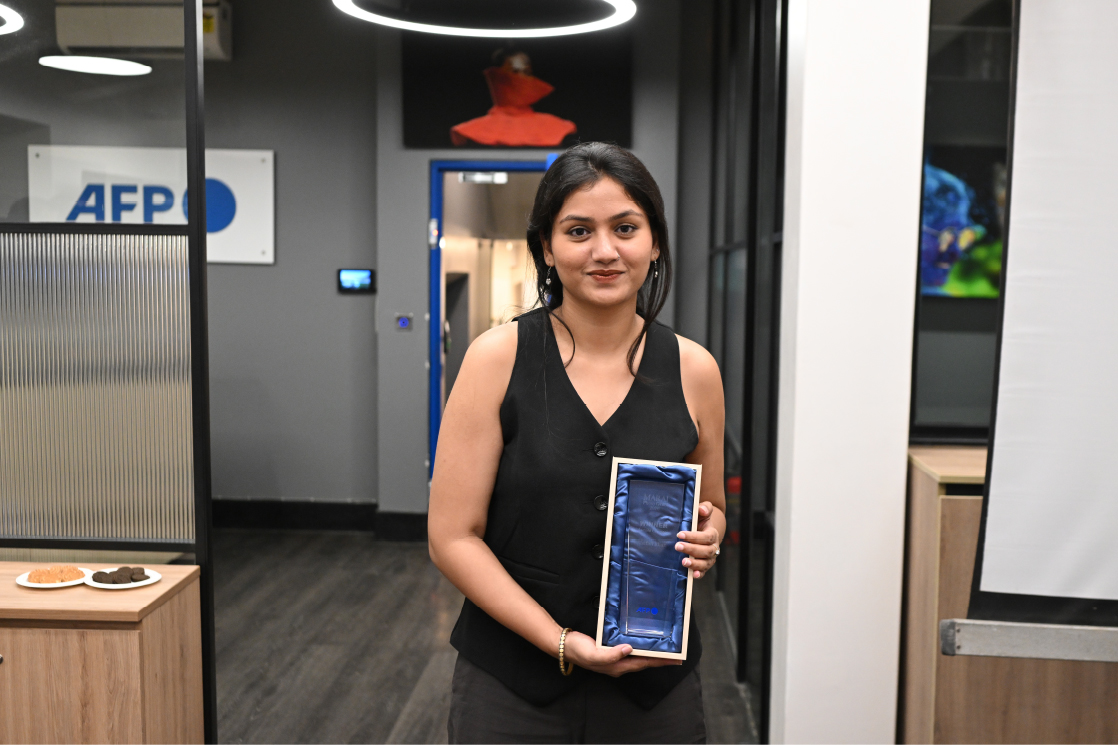
Female Category
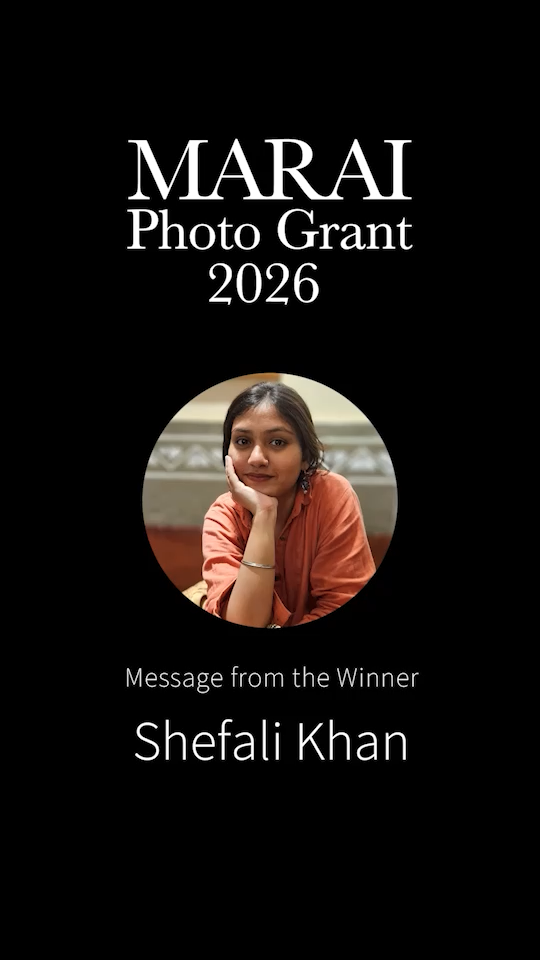
WinnerShefali Khan
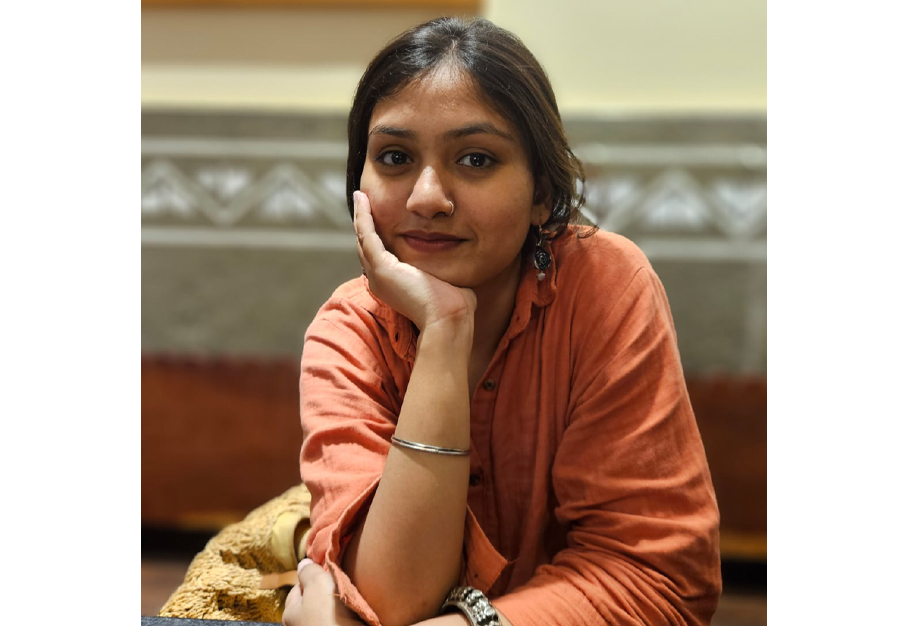
Beneath the Wet Mountains
Water scarcity in Sikkim has become a persistent challenge, particularly in the southern and western districts. Despite historically abundant rainfall and perennial streams, these regions now face intermittent water supply and declining spring discharge. Once reliable community sources increasingly fail to meet demand, affecting daily life and challenging the assumption that the mountains are uniformly water-rich.
This photo story investigates the hidden reality of water scarcity in South and West Sikkim through springs, household taps, pipelines, storage tanks, and community water systems. Traditional sources that sustained communities for generations are faltering. Household taps run sporadically and often go dry, while natural springs, locally known as dhara, have dried up or become seasonal.
Studies show that spring discharge in many areas has fallen by more than half over the past decade, leaving communities dependent on unpredictable supply. The series documents how scarcity reshapes both social life and infrastructure. Women and children increasingly bear the burden of collecting water, spending long hours waiting at or walking to low-yield sources.
By contrasting dry springs with formal infrastructure that often delivers little or no water, the project reveals how scarcity disrupts routines, access, and community water use. It aligns with the theme "My Reality. Now. Water Scarcity" by foregrounding lived experiences in a region long considered water-abundant.
We'll update with the full photo story once it's ready — stay tuned.
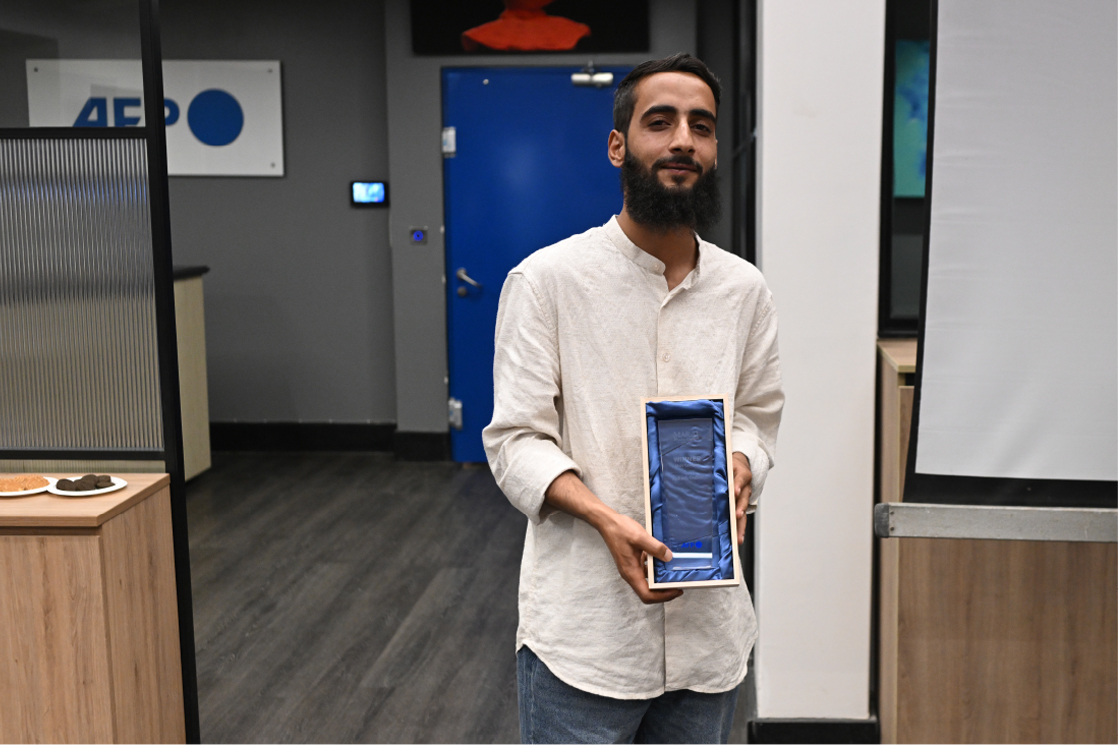
Male Category
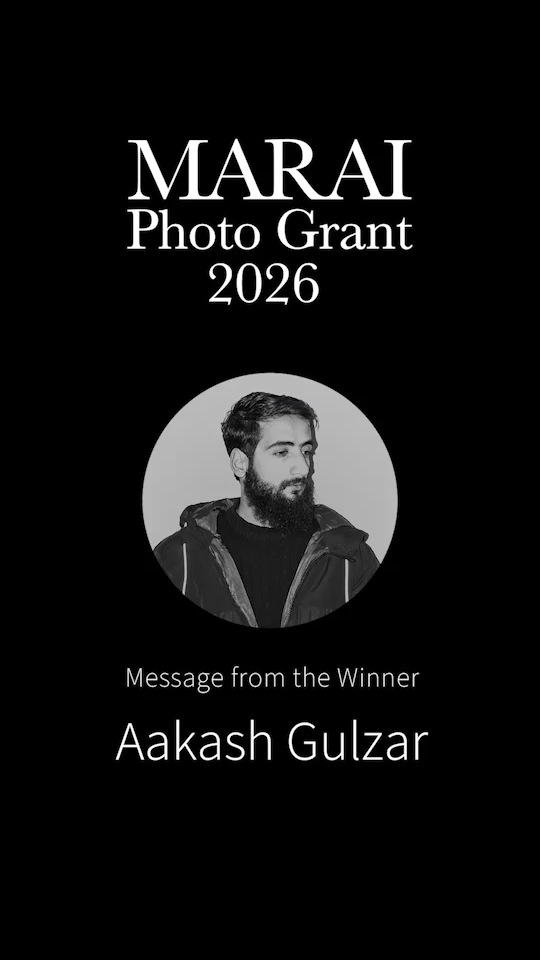
WinnerAakash Gulzar
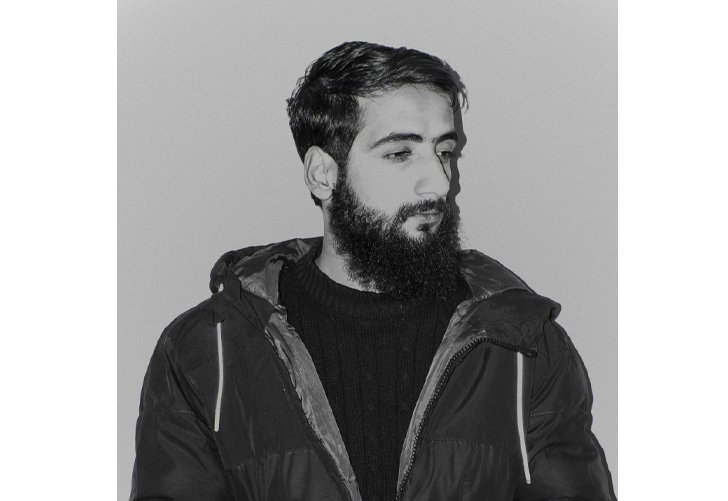
Lake of Lost Livelihood
Wular Lake in Kashmir's Bandipora district, India's largest freshwater lake and a Ramsar wetland, is collapsing. Once 157 sq km in 1911, its surface area declined to 86.7 sq km by 2007, while depth fell from 14m to 5.7m due to siltation and encroachment. Satellite data shows a further 25% loss of open water in 2019, nearly 57% had become eutrophic from untreated sewage, industrial discharge, and fertilizer runoff from expanding urban centers around Srinagar and Baramulla.
Wular regulates Himalayan glacial runoff and sustains the Jhelum River basin, providing drinking water, irrigation, and food security beyond the lake. During the 2014 floods, it absorbed excess water and reduced downstream damage. Its degradation now increases flood risk, water contamination, and ecosystem collapse.
Over 9,000 fisher families across 32 villages depend on Wular. Annual fish production fell from nearly 5,000 tons across 11 species to daily catches of 2-8 pounds, leaving households earning under ($4 USD). Fuel and gear costs often exceed income, driving debt, school dropouts, migration, and the loss of traditional fishing and wetland harvesting. Only two fish species remain where many once thrived.
State-led dredging since 2020 has affected less than 2 sq miles of a 17 sq mile lake, raising concerns over declining fish stocks and disappearing migratory birds. Wular now shows how freshwater degradation and governance failures erase livelihoods, water security, and generational futures.
We'll update with the full photo story once it's ready — stay tuned.
Winner Messages
Jury Comments
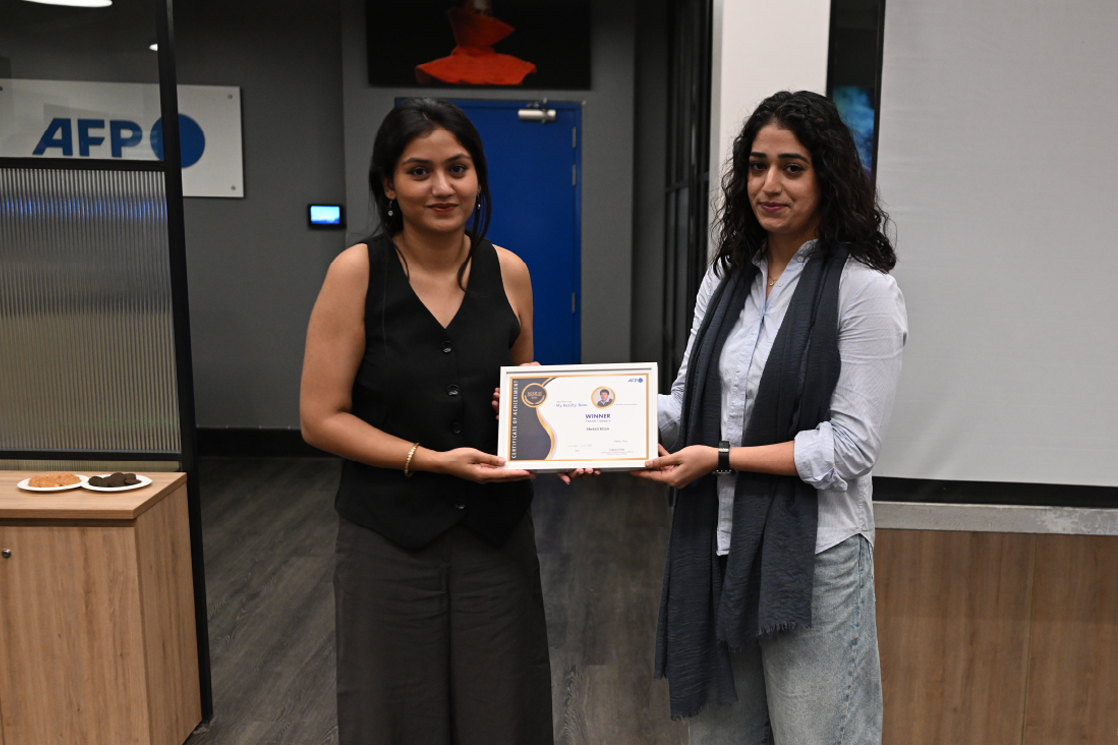
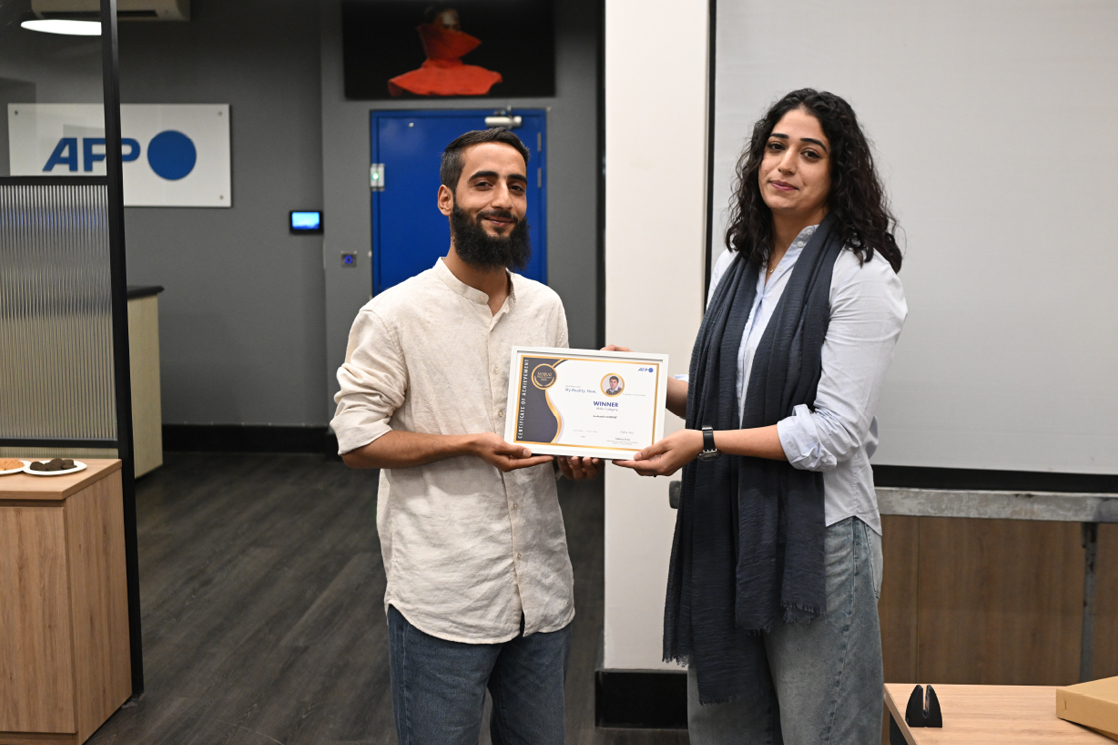
Marai Photo Grant 2026 Ceremony at AFP India
Held at the AFP New Delhi office on June 25, the Marai Photo Grant 2026 award ceremony celebrated this year's winners,
who were presented with certificates and trophies. Last year's female winner, Shefali Rafiq, also attended.
Take a look at the highlights from the event below!